The art of environmental sound sampling has evolved into a sophisticated discipline that bridges field recording, audio engineering, and creative composition. Unlike studio recordings, environmental sounds capture the raw, unfiltered essence of places and moments. These sonic snapshots serve as invaluable resources for filmmakers, game designers, musicians, and sound artists seeking authenticity in their work. The process requires both technical precision and artistic sensitivity to transform ordinary noises into extraordinary auditory experiences.
Understanding the acoustic characteristics of different environments forms the foundation of successful sound sampling. Urban landscapes produce radically different sonic signatures than rural settings—the metallic clang of subway trains carries distinct reverberation patterns compared to the rustling of wind through wheat fields. Seasoned recordists develop an ear for identifying unique frequency profiles and temporal rhythms inherent to each location. They recognize how brick walls reflect high frequencies while dense foliage absorbs them, or how open water creates peculiar delay effects. This knowledge informs crucial decisions about microphone placement and recording techniques.
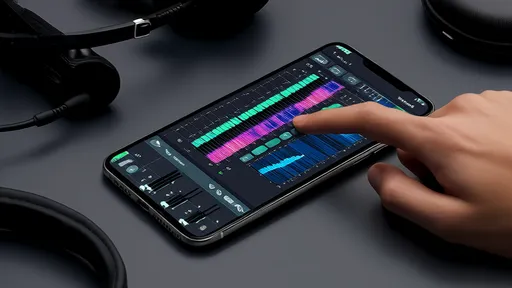
Equipment selection remains paramount despite the democratization of recording technology. While consumer-grade portable recorders can capture decent samples, professional setups employing modular systems with separate microphones, preamps, and digital recorders yield superior results. Shotgun mics excel at isolating specific sounds in noisy environments, whereas binaural setups recreate three-dimensional listening experiences. Wind protection becomes non-negotiable for outdoor recordings—even light breezes can ruin hours of work. Experienced sound hunters often carry multiple microphone types alongside specialized accessories like parabolic reflectors or contact mics for unconventional sound sources.
The ethical dimension of field recording frequently sparks debate within the community. Legal considerations surrounding public space recordings vary significantly across jurisdictions, with some cities requiring permits for professional audio capture. Beyond legality, philosophical questions emerge about sonic ownership—does a bird's song belong to the species, the location, or the person pressing record? Some indigenous communities consider certain environmental sounds sacred or proprietary, leading conscientious recordists to establish protocols for respectful engagement with both human and non-human sound sources.
Post-processing environmental recordings demands restraint and intentionality. Unlike music production where heavy processing often serves creative goals, field recordings typically benefit from subtle enhancements that preserve their organic quality. Strategic noise reduction can clean up unwanted hiss without sterilizing the recording's character, while careful equalization helps balance frequency anomalies caused by recording conditions. Advanced techniques like spectral repair work wonders on intermittent disturbances like airplane flyovers or coughing bystanders. The goal isn't to create clinically perfect samples, but rather to maintain the authentic spirit of the captured environment while removing genuinely distracting elements.
Creative applications of environmental samples continue expanding across media. Film sound designers layer multiple location recordings to construct hyper-realistic or deliberately surreal auditory backdrops. Contemporary composers integrate unprocessed field recordings with orchestral arrangements to ground abstract music in tangible reality. Podcast producers use subtle ambient beds to establish geographic context without overwhelming narration. Even architects have begun incorporating acoustic ecology principles into building designs, using site-specific soundscapes to enhance spatial experiences. This cross-pollination of disciplines pushes environmental recording beyond documentation into the realm of cultural artifact creation.
The ecological consciousness movement has brought renewed attention to disappearing soundscapes. As natural environments face unprecedented change from climate shifts and human activity, archivists race to preserve acoustic heritage before it vanishes. Projects like the Global Soundscape Archive employ rigorous methodologies to document ecosystems' sonic fingerprints over time, creating valuable datasets for both artists and scientists. These preservation efforts often reveal unexpected insights—certain animal species have altered their vocal patterns in response to human noise pollution, while some traditional human sound-making practices face extinction alongside the environments that inspired them.
Technological advancements continue reshaping environmental recording practices. Machine learning tools now assist in automatically classifying and tagging vast sound libraries, though human curation remains essential for nuanced selections. Spatial audio formats like Ambisonics capture full spherical sound fields for immersive playback in VR environments. Some experimental recordists employ hydrophones to explore aquatic sound worlds or ultrasonic sensors to reveal inaudible frequency ranges. Yet for all these innovations, the fundamental challenge persists: translating the multidimensional experience of physical spaces into reproducible audio media while retaining their emotional and contextual resonance.
Mastering environmental sound sampling ultimately requires developing what renowned acoustic ecologist R. Murray Schafer called "ear cleaning"—the practice of attentive listening that strips away auditory preconceptions. This mindset allows recordists to hear familiar environments anew, discovering musicality in industrial drones or narrative arcs in animal conversations. It transforms routine sound gathering into a form of place-based storytelling, where each recording conveys not just sonic information but cultural and ecological meaning. As the field matures, the distinction between documentarian and composer blurs, giving rise to works that are simultaneously faithful representations and imaginative interpretations of the world's acoustic tapestry.
By /Aug 13, 2025
By /Aug 13, 2025

By /Aug 13, 2025

By /Aug 13, 2025

By /Aug 13, 2025

By /Aug 13, 2025
By /Aug 13, 2025

By /Aug 13, 2025
By /Aug 13, 2025
By /Aug 13, 2025

By /Aug 13, 2025

By /Aug 13, 2025

By /Aug 13, 2025

By /Aug 13, 2025

By /Aug 13, 2025
By /Aug 13, 2025
By /Aug 13, 2025

By /Aug 13, 2025

By /Aug 13, 2025

By /Aug 13, 2025