The Vienna New Year's Concert is one of the most prestigious and beloved classical music events in the world. Broadcast to millions of viewers across the globe, this annual concert by the Vienna Philharmonic Orchestra has become synonymous with elegance, tradition, and the celebration of the new year. But how did this illustrious tradition begin, and what makes it so enduringly popular?
The roots of the Vienna New Year's Concert can be traced back to the mid-19th century, a time when the waltz was flourishing in Vienna under the influence of composers like Johann Strauss I and Joseph Lanner. These composers revolutionized dance music, elevating it from simple folk tunes to sophisticated orchestral works. By the late 1800s, the Strauss family—particularly Johann Strauss II—had become the undisputed kings of the waltz, composing timeless pieces such as The Blue Danube and Tales from the Vienna Woods.
The first concert explicitly billed as a New Year's event took place on December 31, 1939, during a dark period in European history. Conducted by Clemens Krauss, the program was intended as a morale booster amid the turmoil of World War II. However, it wasn’t until after the war, in 1946, that the concert was firmly established as an annual tradition. The Vienna Philharmonic, recognizing the universal appeal of Strauss’s music, decided to make it a permanent fixture on January 1st, symbolizing hope and renewal.
What sets the Vienna New Year's Concert apart is its unwavering commitment to tradition while embracing subtle evolution. The program is always dominated by the works of the Strauss family, but each year, the conductor—often a renowned maestro invited for the occasion—introduces lesser-known pieces alongside the classics. This balance between familiarity and discovery keeps the concert fresh for both longtime enthusiasts and first-time listeners.
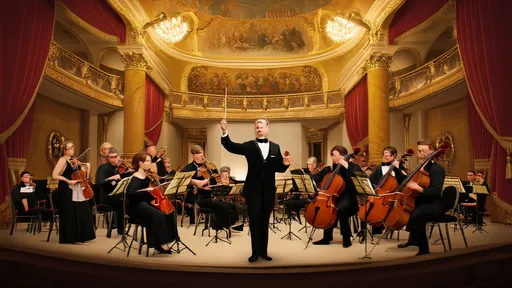
Another defining feature is the venue: the Golden Hall of the Musikverein, a concert hall renowned for its acoustics and opulent décor. The grandeur of the setting, combined with the orchestra’s signature precision and warmth, creates an atmosphere of unparalleled sophistication. The musicians’ formal attire, the floral arrangements, and the enthusiastic audience—many of whom attend in evening wear—contribute to the sense of occasion.
The concert’s global reach is another factor in its enduring success. Since the first televised broadcast in 1959, the event has grown into a worldwide phenomenon, with viewers in over 90 countries. The inclusion of ballet performances, often filmed in picturesque Austrian locations, adds a visual dimension that enhances the experience for television audiences. For many, watching the Vienna New Year's Concert has become as much a part of New Year’s Day as fireworks or resolutions.
Yet beneath its polished surface, the concert carries deeper cultural significance. It serves as a reminder of Vienna’s golden age, when the city was a hub of artistic innovation. The waltzes and polkas performed are not just entertainment; they are a living connection to a bygone era of imperial balls and café culture. In a rapidly changing world, the Vienna New Year's Concert offers a moment of continuity, a chance to reflect on the past while welcoming the future.
Over the decades, the concert has also become a platform for subtle political and social statements. In 1989, conductor Carlos Kleiber chose to include The Blue Danube as a tribute to the fall of the Berlin Wall. More recently, the inclusion of works by female composers or pieces from underrepresented regions has sparked conversations about diversity in classical music. These choices, though sometimes controversial, demonstrate the concert’s ability to remain relevant while honoring its heritage.
The Vienna Philharmonic itself plays a crucial role in maintaining the tradition. Unlike many orchestras, the Philharmonic is self-governing, with musicians voting on key decisions, including the selection of conductors. This democratic structure ensures that the New Year's Concert remains true to its roots while allowing for artistic flexibility. The orchestra’s distinctive sound—warm, vibrant, and unmistakably Viennese—is another reason the concert stands out in a crowded field of holiday performances.
As the Vienna New Year's Concert enters its ninth decade, its future seems secure. Each year, new generations of listeners discover the joy of Strauss’s music, while longtime fans return for the comfort of tradition. In a world where so much is fleeting, the concert endures as a testament to the timeless power of music to unite, inspire, and uplift. Whether experienced in person or from afar, it remains a radiant start to the new year.
By /Aug 13, 2025

By /Aug 13, 2025
By /Aug 13, 2025
By /Aug 13, 2025

By /Aug 13, 2025

By /Aug 13, 2025
By /Aug 13, 2025
By /Aug 13, 2025
By /Aug 13, 2025
By /Aug 13, 2025
By /Aug 13, 2025
By /Aug 13, 2025
By /Aug 13, 2025
By /Aug 13, 2025
By /Aug 13, 2025
By /Aug 13, 2025
By /Aug 13, 2025
By /Aug 13, 2025
By /Aug 13, 2025
By /Aug 13, 2025
