Analysis of Teresa Teng's Vibrato Singing Style

Aug 13, 2025 By

The world of music has been graced by countless legendary voices, but few have left an imprint as profound as Teresa Teng, the beloved Chinese pop icon. Among her many vocal techniques, her signature vibrato stands out as a defining characteristic of her artistry. This delicate yet powerful vocal flourish became synonymous with her emotional delivery, elevating her performances to an almost ethereal level.

Born in Taiwan in 1953, Teresa Teng's rise to stardom coincided with the golden age of Mandarin pop. Her voice carried a unique warmth that transcended cultural boundaries, making her one of Asia's first truly international superstars. What set her apart wasn't just the sweetness of her tone, but how she wielded her vibrato like a painter uses brushstrokes - with precision, intention, and deep emotional resonance.

The anatomy of Teng's vibrato reveals much about her technical mastery. Unlike the wide, operatic vibrato common in Western classical training, Teng employed a more subtle oscillation, typically spanning about a semitone. This narrower vibration created a shimmering effect that felt intimate rather than theatrical. Musicologists note that her vibrato occurred at a frequency of approximately 5-6 oscillations per second, falling within what's considered the "natural vibrato" range that feels most pleasing to human ears.

What made her application of vibrato particularly remarkable was its spontaneity. Teng didn't apply it uniformly like a technical exercise, but rather used it as an expressive tool. On sustained notes in ballads like "The Moon Represents My Heart," her vibrato would emerge gradually, like a flower unfolding its petals. In more upbeat numbers, she might deploy it suddenly for emphasis on certain words, creating moments of heightened emotion.

The emotional intelligence behind Teng's vibrato usage deserves particular attention. She intuitively understood that vibrato isn't merely decorative - it's a carrier of subtext. When singing about longing in "When Will You Return," her vibrato took on a slightly wider, more plaintive quality. In contrast, joyful songs like "Sweet as Honey" featured a quicker, lighter vibration that mirrored the lyrics' cheerful spirit. This nuanced approach allowed her to convey complex emotions even to listeners who didn't understand the Mandarin lyrics.

Teng's vibrato also reflected her multicultural musical influences. Having spent significant time in Japan, she incorporated elements of enka singing into her technique, particularly in how she used vibrato to emphasize certain syllables. Yet she maintained the clarity of Mandarin pronunciation, creating a distinctive fusion style. This cross-cultural vocal approach mirrored her role as a musical ambassador between East Asian countries during a period of complex political relationships.

The technical foundation supporting Teng's famous vibrato involved remarkable breath control. Unlike many pop singers who rely on microphone technique to create sustained notes, Teng developed exceptional diaphragmatic support through years of training in both popular and traditional Chinese singing styles. This allowed her to maintain vibrato even during long phrases without compromising pitch stability - a feat evident in live performances where her vibrato remained consistent without studio enhancements.

Modern voice science helps explain why Teng's vibrato had such universal appeal. Research indicates that moderate vibrato (between 5-7 oscillations per second) activates pleasure centers in the brain more effectively than straight tone or excessive vibrato. Teng's natural oscillation fell squarely in this optimal range. Furthermore, her slight variations in vibrato width and speed created what acousticians call "controlled irregularity" - enough variation to sound human and expressive, but within parameters that the ear perceives as beautiful.

The legacy of Teresa Teng's vibrato extends far beyond technical admiration. It became part of the emotional vocabulary of several generations of Asian listeners. Many describe physically feeling her vibrato resonate in their bodies during poignant moments, a phenomenon that music therapists attribute to the vibrato's frequency matching certain natural bodily rhythms. This physical connection may explain why her recordings continue to evoke such visceral responses decades after her passing.

Contemporary singers across Asia still study Teng's vibrato technique, though few can replicate its organic quality. In an age of digital vocal correction, her unprocessed vibrato stands as a testament to authentic musicianship. More than just a technical skill, it represented her artistic philosophy - that true emotional connection comes not from perfection, but from the beautiful imperfections of the human voice.

Teresa Teng's vibrato wasn't merely a stylistic choice; it was the audible manifestation of her soul. Through this subtle vocal tremor, she communicated joys and sorrows that transcended language barriers. As new generations discover her music, that distinctive vibration continues to pulse with life, ensuring that the voice of Asia's eternal songbird will never fade into silence.

Recommend Posts
Music

A Guide to Environmental Sound Sampling Creation

By /Aug 13, 2025

The art of environmental sound sampling has evolved into a sophisticated discipline that bridges field recording, audio engineering, and creative composition. Unlike studio recordings, environmental sounds capture the raw, unfiltered essence of places and moments. These sonic snapshots serve as invaluable resources for filmmakers, game designers, musicians, and sound artists seeking authenticity in their work. The process requires both technical precision and artistic sensitivity to transform ordinary noises into extraordinary auditory experiences.
Music

Advanced Operations of Mobile Music Composition Software

By /Aug 13, 2025

The world of mobile music production has evolved dramatically in recent years, with smartphone-based DAWs (Digital Audio Workstations) now offering capabilities that rival their desktop counterparts. For composers and producers who have moved beyond the basics, mastering advanced techniques in mobile sequencing apps can unlock professional-grade results. The key lies in understanding the nuanced features hidden beneath the surface of these deceptively simple interfaces.
Music

The Handbook of Ancient Poems and Lyrics Composition"

By /Aug 13, 2025

The art of setting classical Chinese poetry to music represents a fascinating intersection between literary tradition and musical innovation. For centuries, these two art forms have danced together in Chinese culture, with contemporary musicians now rediscovering the profound beauty of this creative fusion. This handbook aims to guide composers through the intricate process of transforming ancient verses into modern melodies while preserving their timeless essence.
Music

Voice Preservation Techniques for Senior Choirs

By /Aug 13, 2025

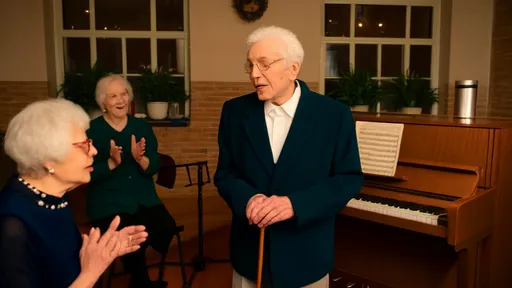
As the golden years unfold, many find solace and joy in the communal experience of singing. Senior choirs, in particular, have become a sanctuary for those who wish to keep their voices alive and vibrant. The concept of "vocal preservation" or "voice preservation" has gained traction among aging singers, who are eager to maintain the richness and clarity of their tones well into their later years. This practice is not merely about hitting the right notes; it’s a holistic approach that blends technique, health, and passion.
Music

Subway Noise into Rhythm Experiment

By /Aug 13, 2025

The hum of subway trains has long been considered an urban nuisance, but a team of researchers at the University of Toronto has transformed these mechanical vibrations into something unexpectedly beautiful. Their groundbreaking project, called "Sonic Underground," captures the rhythmic patterns of subway noise and converts them into musical compositions that reveal the hidden poetry of mass transit.
Music

Oriental Elements in the Soundtracks of Genshin Impact

By /Aug 13, 2025

The world of Genshin Impact is as much a feast for the ears as it is for the eyes. Beyond its sprawling landscapes and intricate character designs, the game’s soundtrack has become a defining feature, weaving together cultural influences to create a rich auditory tapestry. Among these influences, the infusion of Eastern musical elements stands out, offering players a sonic journey through the game’s fictional yet culturally resonant regions like Liyue and Inazuma. The composers, led by the renowned HOYO-MiX team, have masterfully blended traditional Eastern instrumentation with modern orchestration, crafting a soundscape that feels both timeless and fresh.
Music

Jazz Classic Take Five" Rhythm Code

By /Aug 13, 2025

The smoky clubs of 1959 still echo with the revolutionary time signature that defied jazz conventions. When Dave Brubeck Quartet's "Take Five" spilled from Paul Desmond's alto saxophone, it wasn’t just a melody—it was a mathematical rebellion wrapped in cool. The 5/4 rhythm, alien to most American ears at the time, became an unlikely pop culture phenomenon, proving that complexity could swing.
Music

Mastering the Art of Microphone Control in Pop Singing

By /Aug 13, 2025

In the world of contemporary vocal performance, microphone technique remains one of the most underrated yet crucial skills for singers. While much attention is given to vocal range, tone, and stage presence, how one handles the microphone can make or break a live performance. The difference between an amateur and a professional often lies in these subtle but powerful techniques that transform good vocals into unforgettable experiences.
Music

Chopin's Revolutionary Étude" Emotional Layers

By /Aug 13, 2025

The emotional depth of Chopin's "Revolutionary Étude" (Op. 10, No. 12) remains one of the most compelling subjects in classical music discourse. Composed during a period of personal and political turmoil, the piece transcends its technical brilliance to become a visceral expression of defiance, sorrow, and resilience. Unlike many études designed primarily for pedagogical purposes, this work is a masterclass in emotional storytelling, where every note seems to carry the weight of Chopin's anguish over the failed November Uprising in Poland. The left hand's relentless, cascading passages evoke the chaos of revolution, while the right hand's mournful melody speaks to the heartbreak of exile.
Music

Key Points for Balancing Choir Sections

By /Aug 13, 2025

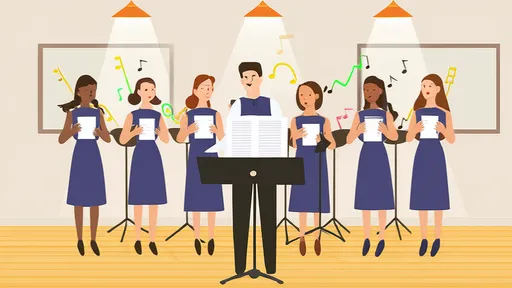
In the world of choral music, achieving a balanced sound across all vocal sections is both an art and a science. The interplay between sopranos, altos, tenors, and basses forms the foundation of a cohesive ensemble, yet maintaining equilibrium requires more than simply having strong individual singers. It demands careful listening, thoughtful arrangement, and an understanding of how each voice part contributes to the collective harmony.
Music

Bollywood Dance Music Characteristics

By /Aug 13, 2025

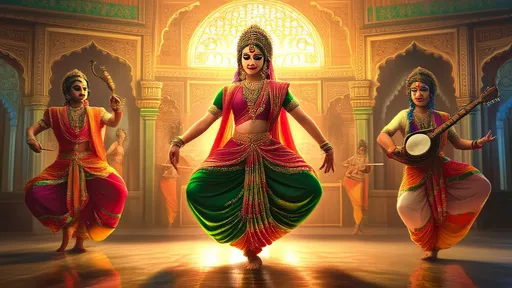
The vibrant world of Bollywood music is a kaleidoscope of rhythms, melodies, and emotions that have captivated audiences for decades. Rooted in India's rich cultural heritage, Bollywood soundtracks are more than just background scores—they are the heartbeat of Indian cinema. From the golden era of the 1950s to the contemporary hits of today, the music has evolved while retaining its distinctive charm. What makes Bollywood music truly unique is its ability to blend traditional Indian classical elements with modern global influences, creating a sound that is both familiar and refreshingly new.
Music

The Minnan Flavor in Taiwanese Folk Songs

By /Aug 13, 2025

The lilting melodies of Taiwanese folk songs carry within them the soul of Minnan culture, a vibrant tapestry woven through centuries of migration, trade, and artistic expression. These songs, often dismissed as simple rural ditties by the uninitiated, contain layers of linguistic nuance and historical resonance that reveal themselves only to those who listen closely. The Minnan dialect, known locally as Hokkien or Taiwanese, breathes life into these melodies with its eight distinct tones and rich oral tradition, creating a musical heritage unlike any other in East Asia.
Music

Analysis of Teresa Teng's Vibrato Singing Style

By /Aug 13, 2025

The world of music has been graced by countless legendary voices, but few have left an imprint as profound as Teresa Teng, the beloved Chinese pop icon. Among her many vocal techniques, her signature vibrato stands out as a defining characteristic of her artistry. This delicate yet powerful vocal flourish became synonymous with her emotional delivery, elevating her performances to an almost ethereal level.
Music

A Guide to Naturally Developing High-Pitched Children's Voices

By /Aug 13, 2025

The natural development of a child's high-pitched voice is a fascinating subject that intertwines physiology, psychology, and vocal pedagogy. Unlike adult voices, children's vocal cords are shorter and thinner, producing those characteristic bright, resonant tones that seem to effortlessly reach higher registers. This biological reality forms the foundation for what vocal coaches call natural voice development - an approach that prioritizes healthy growth over forced techniques.
Music

The Origin of the Vienna New Year's Concert Tradition

By /Aug 13, 2025

The Vienna New Year's Concert is one of the most prestigious and beloved classical music events in the world. Broadcast to millions of viewers across the globe, this annual concert by the Vienna Philharmonic Orchestra has become synonymous with elegance, tradition, and the celebration of the new year. But how did this illustrious tradition begin, and what makes it so enduringly popular?
Music

Formula for Creating Viral Short Video Background Music"

By /Aug 13, 2025

The world of short-form video content has become a cultural phenomenon, with platforms like TikTok, Instagram Reels, and YouTube Shorts dominating digital entertainment. At the heart of these viral videos lies a powerful yet often overlooked element - the background music. The right BGM (background music) can transform an ordinary clip into a global sensation, and content creators are constantly searching for that magical audio formula.
Music

Techniques for Emotional Outbursts in Musical Theater Songs

By /Aug 13, 2025

The stage lights dim, a hush falls over the audience, and then—it happens. A single note, raw and unfiltered, cuts through the silence like a knife. This is the moment when a musical theater performer transcends mere singing and taps into something deeper, something primal. Emotional eruption in musical theater isn’t just about hitting the right notes; it’s about tearing open a vein and letting the character’s soul bleed into the song. The greatest performers don’t just sing—they combust.
Music

Unveiling the Techniques of Erhu Performance in The Moon's Reflection in the Second Spring"

By /Aug 13, 2025

The haunting melody of Erquan Yingyue (Moon Reflected on Second Spring) has long been regarded as one of the most profound expressions of Chinese traditional music. Composed by the blind folk musician Hua Yanjun (also known as Abing), this masterpiece is not only a cultural treasure but also a technical marvel in the realm of erhu performance. To truly appreciate its depth, one must delve into the intricate playing techniques that bring this piece to life.
Music

Decoding the Rhythmic Notation of Brazilian Samba Drums

By /Aug 13, 2025

The pulsating heart of Brazil’s Carnival lies in the thunderous, hypnotic rhythms of samba percussion. For outsiders, the wall of sound produced by a bateria—the drumming ensemble at the core of every samba school—can feel overwhelming, even chaotic. But beneath the surface lies a meticulously structured musical language, one that can be decoded through the study of samba rhythm notation. These visual representations of syncopated patterns offer a gateway into understanding how Brazilian percussionists weave together polyrhythms to create that unmistakable samba swing.
Music

Scottish Bagpipe Performance Culture

By /Aug 13, 2025

The haunting sound of the Great Highland bagpipe carries across misty glens and rugged hills, a timeless echo of Scotland’s cultural soul. For centuries, the bagpipe has been more than an instrument—it’s a symbol of identity, resilience, and communal spirit. Its music tells stories of battles fought, loves lost, and celebrations shared, woven into the very fabric of Scottish life. To understand the bagpipe is to step into a tradition where craftsmanship, history, and artistry converge.