The world of Genshin Impact is as much a feast for the ears as it is for the eyes. Beyond its sprawling landscapes and intricate character designs, the game’s soundtrack has become a defining feature, weaving together cultural influences to create a rich auditory tapestry. Among these influences, the infusion of Eastern musical elements stands out, offering players a sonic journey through the game’s fictional yet culturally resonant regions like Liyue and Inazuma. The composers, led by the renowned HOYO-MiX team, have masterfully blended traditional Eastern instrumentation with modern orchestration, crafting a soundscape that feels both timeless and fresh.
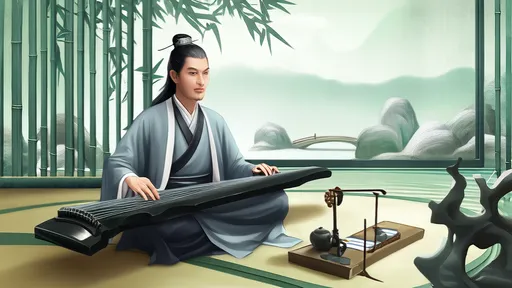
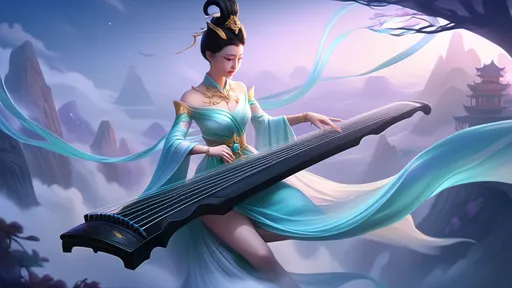
Liyue, the game’s China-inspired region, serves as the most prominent example of this fusion. The soundtrack here is steeped in the sounds of traditional Chinese instruments such as the guzheng, pipa, and erhu. These instruments are not merely decorative; they are integral to the compositions, evoking the grandeur of ancient dynasties and the serenity of mist-covered mountains. Tracks like "Rapid as Wildfires" and "Moon in One’s Cup" showcase the dynamic range of these instruments, from the frenetic energy of battle to the quiet contemplation of a Liyue evening. The use of pentatonic scales further roots the music in Chinese tradition, creating melodies that feel instantly familiar to those acquainted with East Asian folk music.
Inazuma, the Electro-themed region inspired by feudal Japan, takes a different but equally deliberate approach. Here, the composers incorporate the sounds of the shamisen, koto, and taiko drums, instruments deeply tied to Japanese culture. The result is a soundtrack that mirrors the region’s duality—its tranquil shrines and its stormy conflicts. Pieces like "Duel in the Mist" and "The Shrine’s Sacred Shade" employ these instruments to striking effect, balancing the sharp, percussive energy of the shamisen with the ethereal tones of the koto. The music often feels like a narrative in itself, telling stories of honor, loss, and resilience without a single word.
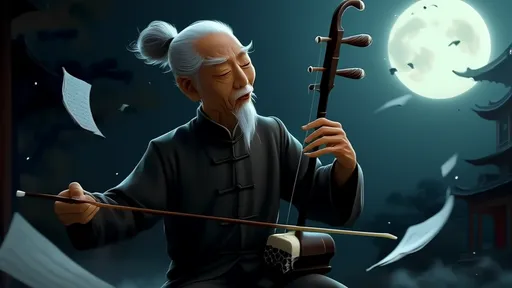
What makes the Eastern elements in Genshin Impact’s music so compelling is how they interact with the game’s broader orchestral palette. The composers avoid treating traditional instruments as mere exotic flourishes; instead, they integrate them seamlessly into sweeping, cinematic arrangements. For instance, the erhu’s mournful cries in "Liyue" are often underscored by lush string sections, creating a dialogue between East and West. This approach not only honors the cultural origins of the instruments but also elevates them to new artistic heights, proving that traditional music can thrive in a contemporary, global context.
The impact of these choices extends beyond the game itself. Fans have taken to platforms like YouTube and Spotify to dissect and celebrate the soundtrack, with many praising its authenticity and emotional depth. Cover artists, both amateur and professional, have flooded the internet with renditions of the game’s most iconic tracks, further cementing its place in gaming’s musical canon. The soundtrack has even sparked interest in the traditional instruments featured, with some players seeking out real-world performances or tutorials to learn the pieces themselves. In this way, Genshin Impact’s music has become a bridge between cultures, introducing global audiences to the beauty of Eastern musical traditions.
Behind the scenes, the creation of this music is a labor of love. The HOYO-MiX team has spoken about the painstaking research that goes into each composition, from studying historical performance techniques to collaborating with master musicians. For the Liyue soundtrack, the team worked closely with the Shanghai Symphony Orchestra, ensuring that every note resonated with cultural authenticity. Similarly, the Inazuma tracks involved consultations with Japanese instrumentalists to capture the nuances of each piece. This dedication to detail is what sets the game’s music apart, transforming it from a backdrop into a living, breathing part of the world.
As Genshin Impact continues to expand with new regions and storylines, the soundtrack’s role as a cultural storyteller will only grow. Future updates promise to introduce even more diverse musical influences, from the deserts of Sumeru to the bustling ports of Fontaine. Yet, if the current soundtrack is any indication, these new sounds will be handled with the same care and respect that defines the game’s approach to Eastern music. For players and music lovers alike, this commitment to authenticity is a gift—one that enriches not just the game, but the broader appreciation of the world’s musical heritage.

By /Aug 13, 2025

By /Aug 13, 2025
By /Aug 13, 2025

By /Aug 13, 2025

By /Aug 13, 2025
By /Aug 13, 2025
By /Aug 13, 2025

By /Aug 13, 2025

By /Aug 13, 2025

By /Aug 13, 2025

By /Aug 13, 2025

By /Aug 13, 2025

By /Aug 13, 2025

By /Aug 13, 2025

By /Aug 13, 2025

By /Aug 13, 2025

By /Aug 13, 2025
By /Aug 13, 2025
By /Aug 13, 2025

By /Aug 13, 2025
