The vibrant world of Bollywood music is a kaleidoscope of rhythms, melodies, and emotions that have captivated audiences for decades. Rooted in India's rich cultural heritage, Bollywood soundtracks are more than just background scores—they are the heartbeat of Indian cinema. From the golden era of the 1950s to the contemporary hits of today, the music has evolved while retaining its distinctive charm. What makes Bollywood music truly unique is its ability to blend traditional Indian classical elements with modern global influences, creating a sound that is both familiar and refreshingly new.
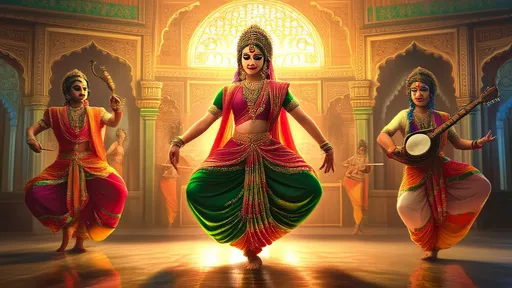
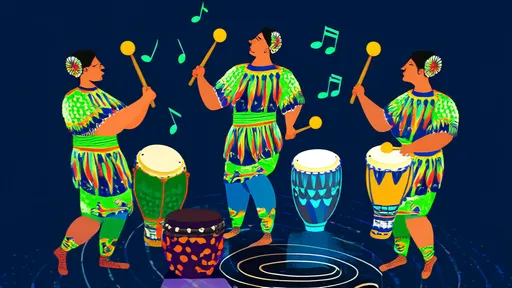
One cannot discuss Bollywood music without acknowledging its deep connection to dance. The songs are not merely listened to; they are experienced through elaborate choreography that tells a story within a story. The beats are infectious, designed to make even the most reluctant dancer tap their feet. Whether it's the energetic dholak rhythms or the soulful strains of the sitar, each instrument plays a pivotal role in crafting the mood. The music often mirrors the film's narrative, shifting seamlessly from joyous celebrations to heart-wrenching ballads, sometimes within the same track.
The lyrical content of Bollywood songs is another defining feature. Poetic and often metaphorical, the words delve into themes of love, separation, joy, and even social issues. The language is a mix of Hindi, Urdu, and occasionally regional dialects, adding layers of depth to the compositions. Legendary lyricists like Gulzar and Javed Akhtar have penned verses that resonate across generations. The words are not just sung; they are performed, with actors conveying the emotions through expressive gestures and facial expressions, making the songs an integral part of the storytelling process.
Over the years, Bollywood music has embraced global influences without losing its essence. The disco era of the 1980s, the techno beats of the 1990s, and the current trend of blending EDM with folk tunes are testaments to its adaptability. Yet, no matter how much the sound evolves, the soul of Bollywood music remains rooted in Indian traditions. The use of classical ragas, folk instruments like the shehnai and tabla, and the unmistakable vocal styles of playback singers ensure that the music retains its cultural identity.
The impact of Bollywood music extends far beyond the borders of India. It has found fans in every corner of the globe, from the Middle East to Africa, Europe, and the Americas. The universal appeal lies in its ability to evoke emotions that transcend language barriers. A Bollywood song can make you dance, cry, or fall in love, all within a span of a few minutes. It’s this emotional richness that makes the music timeless.
In recent years, Bollywood soundtracks have also become a platform for experimentation. Young composers are pushing boundaries by fusing genres like hip-hop, reggae, and even opera with traditional Indian music. The results are often groundbreaking, offering a fresh take on a beloved art form. Yet, even as the music evolves, the core elements—melody, rhythm, and emotion—remain unchanged. This delicate balance between innovation and tradition is what keeps Bollywood music alive and thriving.
The future of Bollywood music looks as bright as its past. With streaming platforms making it accessible to a global audience, the genre is poised to reach new heights. The songs continue to dominate charts, and the dance numbers inspire viral trends on social media. Bollywood music is not just a part of Indian cinema; it’s a cultural phenomenon that celebrates life in all its hues. As long as there are stories to tell and emotions to express, the magic of Bollywood music will endure.

By /Aug 13, 2025

By /Aug 13, 2025

By /Aug 13, 2025

By /Aug 13, 2025

By /Aug 13, 2025

By /Aug 13, 2025
By /Aug 13, 2025

By /Aug 13, 2025

By /Aug 13, 2025

By /Aug 13, 2025
By /Aug 13, 2025

By /Aug 13, 2025

By /Aug 13, 2025

By /Aug 13, 2025
By /Aug 13, 2025

By /Aug 13, 2025
By /Aug 13, 2025

By /Aug 13, 2025
By /Aug 13, 2025

By /Aug 13, 2025
