The lilting melodies of Taiwanese folk songs carry within them the soul of Minnan culture, a vibrant tapestry woven through centuries of migration, trade, and artistic expression. These songs, often dismissed as simple rural ditties by the uninitiated, contain layers of linguistic nuance and historical resonance that reveal themselves only to those who listen closely. The Minnan dialect, known locally as Hokkien or Taiwanese, breathes life into these melodies with its eight distinct tones and rich oral tradition, creating a musical heritage unlike any other in East Asia.
Walking through the night markets of Tainan or the tea houses of Lukang, one might catch fragments of these songs drifting through the air - the vendor humming "The Torment of a Flower" while arranging betel nuts, or the shopkeeper absentmindedly singing "Thinking of My Hometown" as he wipes down counters. What appears as casual musical interludes in daily life actually represents the living preservation of a cultural legacy that has survived Japanese occupation, Mandarin promotion campaigns, and the relentless march of globalization.
The peculiar charm of Taiwanese folk songs lies in their ability to convey profound emotion through seemingly simple lyrics. A phrase like "I wait by the lamp, but you never come" carries different weight when sung in Minnan rather than Mandarin. The dialect's tonal variations allow for subtle plays on words and double meanings that get lost in translation. The word for "wait" (thèng) can, with slight inflection, suggest both patient anticipation and growing frustration - a nuance native speakers understand instinctively but which challenges even fluent second-language learners.
Historical events have left their mark on these melodies in ways that might surprise contemporary listeners. During the Japanese colonial period (1895-1945), many folk songs incorporated elements of enka while maintaining their Minnan linguistic core, creating a unique fusion that persists in older repertoire. The post-war era saw these songs become vehicles for both political protest and cultural preservation, with artists like Chen Da using folk traditions to document the lives of working-class Taiwanese when such expressions risked censorship or worse.
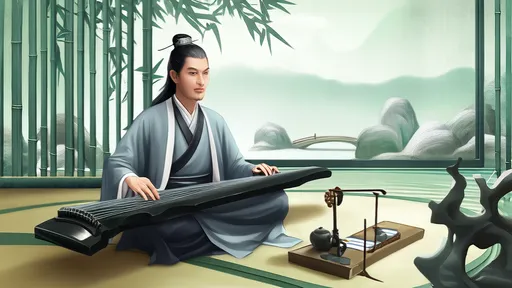
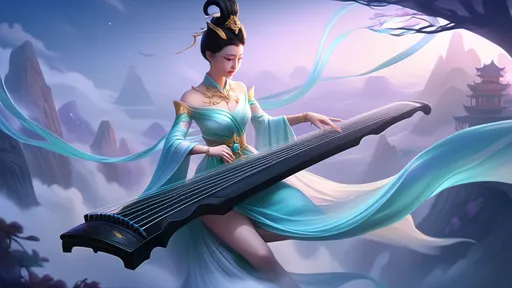
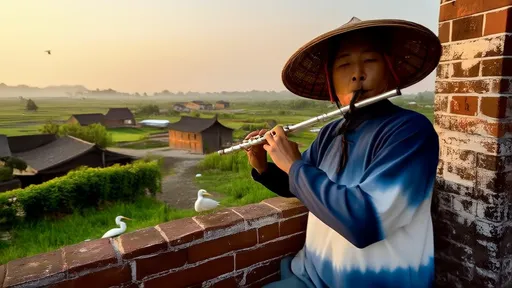
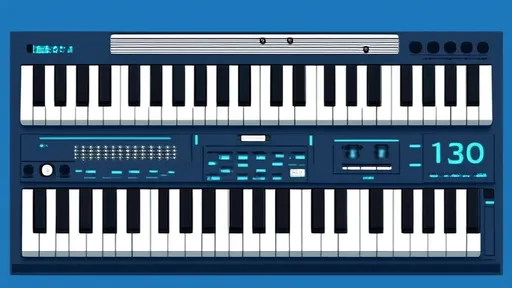
Modern interpretations of these folk songs reveal fascinating generational shifts in performance practice. Where traditional renditions relied on sparse instrumentation - perhaps just a moon guitar or bamboo flute - contemporary artists layer electronic elements and jazz harmonies while carefully preserving the original dialect and phrasing. This delicate balance between innovation and tradition speaks to Taiwan's complex cultural position, simultaneously looking backward to preserve its distinct heritage while engaging creatively with global musical currents.
The physical landscape of Taiwan itself seems encoded in these melodies. Listen closely to "Rainy Night Flower" and you can almost smell the damp earth after a monsoon shower, feel the humidity clinging to your skin. The songs map emotional geographies as much as physical ones - the longing for home in "The Moon Represents My Heart" (not to be confused with the Mandarin pop standard) mirrors the island's history of migration and separation, while celebratory harvest songs capture the agricultural rhythms that sustained communities for generations.
What many outsiders fail to grasp is how these folk traditions continue evolving. Young musicians now blend Minnan lyrics with hip-hop beats or indie rock arrangements, creating what some purists dismiss as bastardizations but which others recognize as the natural progression of living art forms. The dialect itself changes over time, absorbing loanwords and shifting pronunciations, making century-old folk lyrics occasionally puzzling to modern ears while adding layers of historical intrigue for linguistic archaeologists.
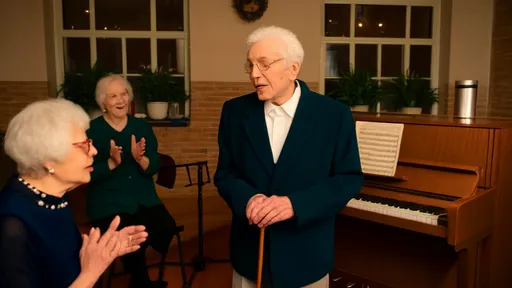
Perhaps most remarkably, these songs serve as unofficial ambassadors for Taiwanese culture abroad. Diaspora communities from Southeast Asia to North America maintain connections to their heritage through folk song gatherings, where the familiar melodies bridge generational divides. The songs carry within them not just words and notes, but entire ways of being - the particular humor, the unspoken griefs, the quiet resilience that defines much of the Taiwanese experience.
To truly understand Taiwan's complex identity, one must listen beyond the political rhetoric and economic statistics to these grassroots musical expressions. In the rise and fall of a Minnan folk melody, in the play of light and shadow within its lyrics, one finds the heartbeat of a culture that has weathered centuries of change while maintaining its distinctive voice. These songs don't merely entertain - they remember, they protest, they celebrate, and above all, they endure.
By /Aug 13, 2025

By /Aug 13, 2025
By /Aug 13, 2025
By /Aug 13, 2025

By /Aug 13, 2025
By /Aug 13, 2025
By /Aug 13, 2025
By /Aug 13, 2025

By /Aug 13, 2025
By /Aug 13, 2025
By /Aug 13, 2025
By /Aug 13, 2025

By /Aug 13, 2025
By /Aug 13, 2025
By /Aug 13, 2025
By /Aug 13, 2025
By /Aug 13, 2025
By /Aug 13, 2025
By /Aug 13, 2025

By /Aug 13, 2025
