The Handbook of Ancient Poems and Lyrics Composition"

Aug 13, 2025 By

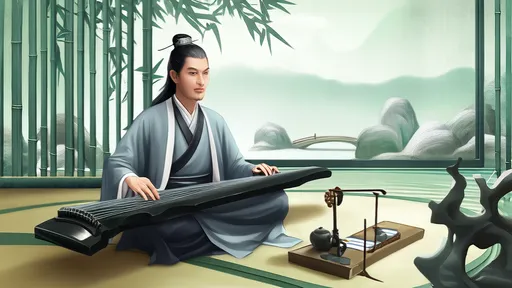
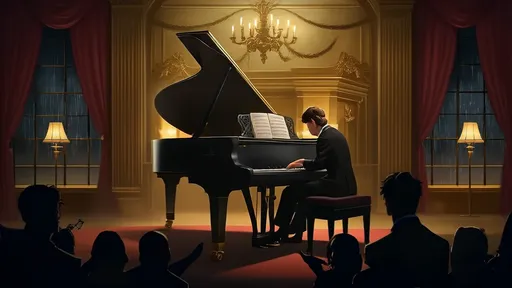
The art of setting classical Chinese poetry to music represents a fascinating intersection between literary tradition and musical innovation. For centuries, these two art forms have danced together in Chinese culture, with contemporary musicians now rediscovering the profound beauty of this creative fusion. This handbook aims to guide composers through the intricate process of transforming ancient verses into modern melodies while preserving their timeless essence.

The living tradition of Chinese poetic music stretches back to the very origins of poetry itself. In ancient China, the boundaries between poetry and song were fluid - the Shi Jing (Book of Songs) contains 305 poems that were all meant to be sung. The great Tang dynasty poets like Li Bai and Du Fu composed works that were frequently performed with musical accompaniment. While the original melodies have been lost to time, the rhythmic and tonal qualities of the poems themselves contain musical DNA waiting to be unlocked by contemporary composers.

Modern musicians approaching classical Chinese poetry must first understand that they are not merely setting words to music, but rather engaging in a form of cultural archaeology and creative reinterpretation. The poems come encoded with their own inherent musicality - the careful patterns of tones in regulated verse, the natural cadences of ci poetry, and the emotional contours that have resonated with readers for centuries. A successful musical setting doesn't impose foreign musical ideas onto the poem, but rather coaxes out the music already living within the words.

The first challenge in setting classical poetry to music lies in linguistic interpretation. Classical Chinese operates with concision and density of meaning that differs dramatically from modern languages. A single character might contain layers of allusion, cultural reference, and emotional nuance. Composers must work closely with scholars or spend considerable time themselves unpacking these meanings before attempting musical interpretation. The musical setting should amplify rather than obscure these layered meanings.

Tonality presents another significant consideration. The tonal patterns of classical Chinese poetry were carefully constructed by the original poets to create specific emotional effects. In modern Mandarin, these tones have changed but still retain musical qualities. Some composers choose to mirror the rising and falling tones in their melodic lines, while others focus on capturing the emotional essence rather than literal tonal translation. There's no single correct approach, but the decision must be made consciously rather than accidentally.

Rhythmic interpretation offers another rich area for exploration. Classical Chinese poems follow strict metrical patterns - the five-character and seven-character lines of regulated verse, or the varied line lengths of ci poetry that were originally written to existing musical tunes. Contemporary composers might choose to reflect these patterns directly in their musical settings, or use them as springboards for more innovative rhythmic treatments. The key is maintaining the poem's structural integrity while allowing for creative musical expression.

The emotional landscape of classical poetry requires particularly sensitive handling. These poems often convey profound sentiments through subtle imagery and suggestion rather than direct statement. A musical setting that overwhelms the poem with exaggerated emotion misses the essence of classical Chinese aesthetic, which values restraint and implication. The most effective settings find musical equivalents for the poem's nuanced emotional language - using harmonic tension, melodic contour, and instrumental color to deepen rather than dominate the poetic expression.

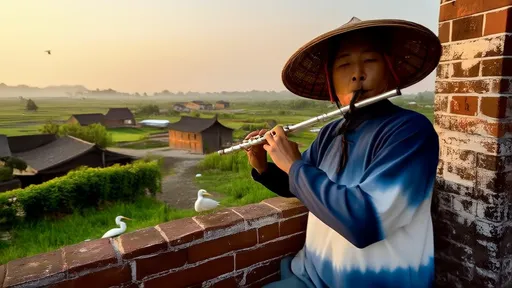
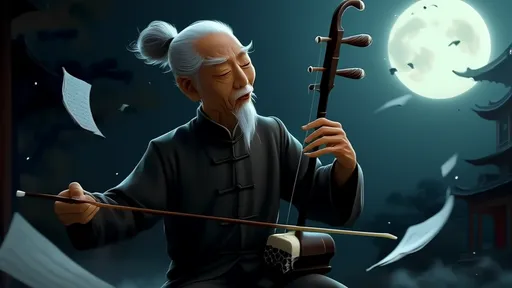
Instrumentation choices carry special significance when setting classical poetry. Traditional Chinese instruments like the guqin, pipa, or dizi naturally evoke historical connections, but may risk creating museum-piece settings rather than living musical experiences. Western instruments or mixed ensembles can work equally well if handled thoughtfully. Some composers create hybrid ensembles that bridge cultural sounds, while others use electronic media to explore timeless themes through contemporary means. The instrumentation should serve the poem's essence rather than follow preconceived notions of authenticity.

Structural decisions in the musical setting require careful attention to the poem's architecture. Many classical poems use parallel couplets or other symmetrical structures that can inspire musical forms. The repetition of certain lines or characters might suggest musical recapitulation or variation. Some poems build toward climactic moments that demand corresponding musical intensification, while others maintain meditative consistency throughout. The musical form should emerge from the poem's inherent structure rather than being imposed upon it.

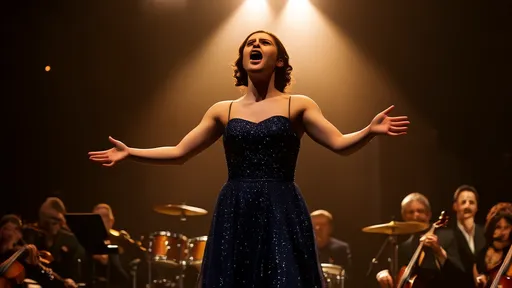
Vocal settings present unique opportunities and challenges. The singer becomes the medium through which ancient words regain their musical voice. Composers must consider how the vocal line honors both the linguistic qualities of the text and the need for beautiful, expressive singing. Some choose to set the poems in their original language, while others use translations - each approach offering different advantages. The crucial factor is maintaining the poem's spiritual core regardless of linguistic medium.

Cultural context cannot be an afterthought in this creative process. Classical Chinese poems emerged from specific historical moments, philosophical traditions, and aesthetic values. While universal themes make them accessible across time and culture, the most compelling musical settings engage deeply with their cultural origins. This doesn't mean slavish historical recreation, but rather thoughtful engagement with the worldview that shaped the poems. Composers might study Chinese painting, calligraphy, or philosophy to better understand the artistic sensibility behind the verses they're setting.

The performance context for these musical settings has evolved dramatically from the poems' original creation. Where ancient poets might have performed for intimate gatherings of literati, contemporary settings might be heard in concert halls, recordings, or digital platforms. Some composers create multimedia presentations combining music with visual elements, calligraphy, or dance. Others prefer stripped-down arrangements that focus attention on the marriage of words and music. There's room for diverse approaches as long as they serve the poem's essence.

Contemporary relevance forms a crucial consideration in this creative work. The best settings don't treat classical poems as relics to be preserved, but as living texts that continue to speak to modern experience. Composers might draw parallels between the poems' themes and contemporary concerns, or find musical languages that bridge historical distance. The goal isn't to modernize the poems artificially, but to reveal their enduring vitality through thoughtful musical interpretation.

Practical considerations abound in this creative process. Copyright issues rarely apply to ancient texts, but translations may be protected. Working with native speakers ensures proper pronunciation and understanding. Recording and publishing opportunities have expanded with digital platforms, though the niche nature of this repertoire still presents challenges. Collaborations with scholars, cultural organizations, or Chinese artists can provide valuable support and context.

The rewards of setting classical Chinese poetry to music are profound. Composers engage in a dialogue across centuries, giving voice to timeless human experiences while adding their own creative signature. Listeners gain new appreciation for both the ancient poems and contemporary musical expression. This creative practice builds cultural bridges while honoring artistic traditions - a rare combination in our fragmented world. The handbook that follows will provide specific techniques, examples, and resources to guide this rewarding musical journey.

Ultimately, setting classical Chinese poetry to music is less about revival than about revelation - uncovering the musical soul that has always lived within these carefully crafted words. The poems await their singers, the words their music, the past its present voice. With thoughtful approach and creative courage, composers can continue the ancient tradition of singing poetry while making it vibrantly alive for new audiences.

Recommend Posts
Music

A Guide to Environmental Sound Sampling Creation

By /Aug 13, 2025

The art of environmental sound sampling has evolved into a sophisticated discipline that bridges field recording, audio engineering, and creative composition. Unlike studio recordings, environmental sounds capture the raw, unfiltered essence of places and moments. These sonic snapshots serve as invaluable resources for filmmakers, game designers, musicians, and sound artists seeking authenticity in their work. The process requires both technical precision and artistic sensitivity to transform ordinary noises into extraordinary auditory experiences.
Music

Advanced Operations of Mobile Music Composition Software

By /Aug 13, 2025

The world of mobile music production has evolved dramatically in recent years, with smartphone-based DAWs (Digital Audio Workstations) now offering capabilities that rival their desktop counterparts. For composers and producers who have moved beyond the basics, mastering advanced techniques in mobile sequencing apps can unlock professional-grade results. The key lies in understanding the nuanced features hidden beneath the surface of these deceptively simple interfaces.
Music

The Handbook of Ancient Poems and Lyrics Composition"

By /Aug 13, 2025

The art of setting classical Chinese poetry to music represents a fascinating intersection between literary tradition and musical innovation. For centuries, these two art forms have danced together in Chinese culture, with contemporary musicians now rediscovering the profound beauty of this creative fusion. This handbook aims to guide composers through the intricate process of transforming ancient verses into modern melodies while preserving their timeless essence.
Music

Voice Preservation Techniques for Senior Choirs

By /Aug 13, 2025

As the golden years unfold, many find solace and joy in the communal experience of singing. Senior choirs, in particular, have become a sanctuary for those who wish to keep their voices alive and vibrant. The concept of "vocal preservation" or "voice preservation" has gained traction among aging singers, who are eager to maintain the richness and clarity of their tones well into their later years. This practice is not merely about hitting the right notes; it’s a holistic approach that blends technique, health, and passion.
Music

Subway Noise into Rhythm Experiment

By /Aug 13, 2025

The hum of subway trains has long been considered an urban nuisance, but a team of researchers at the University of Toronto has transformed these mechanical vibrations into something unexpectedly beautiful. Their groundbreaking project, called "Sonic Underground," captures the rhythmic patterns of subway noise and converts them into musical compositions that reveal the hidden poetry of mass transit.
Music

Oriental Elements in the Soundtracks of Genshin Impact

By /Aug 13, 2025

The world of Genshin Impact is as much a feast for the ears as it is for the eyes. Beyond its sprawling landscapes and intricate character designs, the game’s soundtrack has become a defining feature, weaving together cultural influences to create a rich auditory tapestry. Among these influences, the infusion of Eastern musical elements stands out, offering players a sonic journey through the game’s fictional yet culturally resonant regions like Liyue and Inazuma. The composers, led by the renowned HOYO-MiX team, have masterfully blended traditional Eastern instrumentation with modern orchestration, crafting a soundscape that feels both timeless and fresh.
Music

Jazz Classic Take Five" Rhythm Code

By /Aug 13, 2025

The smoky clubs of 1959 still echo with the revolutionary time signature that defied jazz conventions. When Dave Brubeck Quartet's "Take Five" spilled from Paul Desmond's alto saxophone, it wasn’t just a melody—it was a mathematical rebellion wrapped in cool. The 5/4 rhythm, alien to most American ears at the time, became an unlikely pop culture phenomenon, proving that complexity could swing.
Music

Mastering the Art of Microphone Control in Pop Singing

By /Aug 13, 2025

In the world of contemporary vocal performance, microphone technique remains one of the most underrated yet crucial skills for singers. While much attention is given to vocal range, tone, and stage presence, how one handles the microphone can make or break a live performance. The difference between an amateur and a professional often lies in these subtle but powerful techniques that transform good vocals into unforgettable experiences.
Music

Chopin's Revolutionary Étude" Emotional Layers

By /Aug 13, 2025

The emotional depth of Chopin's "Revolutionary Étude" (Op. 10, No. 12) remains one of the most compelling subjects in classical music discourse. Composed during a period of personal and political turmoil, the piece transcends its technical brilliance to become a visceral expression of defiance, sorrow, and resilience. Unlike many études designed primarily for pedagogical purposes, this work is a masterclass in emotional storytelling, where every note seems to carry the weight of Chopin's anguish over the failed November Uprising in Poland. The left hand's relentless, cascading passages evoke the chaos of revolution, while the right hand's mournful melody speaks to the heartbreak of exile.
Music

Key Points for Balancing Choir Sections

By /Aug 13, 2025

In the world of choral music, achieving a balanced sound across all vocal sections is both an art and a science. The interplay between sopranos, altos, tenors, and basses forms the foundation of a cohesive ensemble, yet maintaining equilibrium requires more than simply having strong individual singers. It demands careful listening, thoughtful arrangement, and an understanding of how each voice part contributes to the collective harmony.
Music

Bollywood Dance Music Characteristics

By /Aug 13, 2025

The vibrant world of Bollywood music is a kaleidoscope of rhythms, melodies, and emotions that have captivated audiences for decades. Rooted in India's rich cultural heritage, Bollywood soundtracks are more than just background scores—they are the heartbeat of Indian cinema. From the golden era of the 1950s to the contemporary hits of today, the music has evolved while retaining its distinctive charm. What makes Bollywood music truly unique is its ability to blend traditional Indian classical elements with modern global influences, creating a sound that is both familiar and refreshingly new.
Music

The Minnan Flavor in Taiwanese Folk Songs

By /Aug 13, 2025

The lilting melodies of Taiwanese folk songs carry within them the soul of Minnan culture, a vibrant tapestry woven through centuries of migration, trade, and artistic expression. These songs, often dismissed as simple rural ditties by the uninitiated, contain layers of linguistic nuance and historical resonance that reveal themselves only to those who listen closely. The Minnan dialect, known locally as Hokkien or Taiwanese, breathes life into these melodies with its eight distinct tones and rich oral tradition, creating a musical heritage unlike any other in East Asia.
Music

Analysis of Teresa Teng's Vibrato Singing Style

By /Aug 13, 2025

The world of music has been graced by countless legendary voices, but few have left an imprint as profound as Teresa Teng, the beloved Chinese pop icon. Among her many vocal techniques, her signature vibrato stands out as a defining characteristic of her artistry. This delicate yet powerful vocal flourish became synonymous with her emotional delivery, elevating her performances to an almost ethereal level.
Music

A Guide to Naturally Developing High-Pitched Children's Voices

By /Aug 13, 2025

The natural development of a child's high-pitched voice is a fascinating subject that intertwines physiology, psychology, and vocal pedagogy. Unlike adult voices, children's vocal cords are shorter and thinner, producing those characteristic bright, resonant tones that seem to effortlessly reach higher registers. This biological reality forms the foundation for what vocal coaches call natural voice development - an approach that prioritizes healthy growth over forced techniques.
Music

The Origin of the Vienna New Year's Concert Tradition

By /Aug 13, 2025

The Vienna New Year's Concert is one of the most prestigious and beloved classical music events in the world. Broadcast to millions of viewers across the globe, this annual concert by the Vienna Philharmonic Orchestra has become synonymous with elegance, tradition, and the celebration of the new year. But how did this illustrious tradition begin, and what makes it so enduringly popular?
Music

Formula for Creating Viral Short Video Background Music"

By /Aug 13, 2025

The world of short-form video content has become a cultural phenomenon, with platforms like TikTok, Instagram Reels, and YouTube Shorts dominating digital entertainment. At the heart of these viral videos lies a powerful yet often overlooked element - the background music. The right BGM (background music) can transform an ordinary clip into a global sensation, and content creators are constantly searching for that magical audio formula.
Music

Techniques for Emotional Outbursts in Musical Theater Songs

By /Aug 13, 2025

The stage lights dim, a hush falls over the audience, and then—it happens. A single note, raw and unfiltered, cuts through the silence like a knife. This is the moment when a musical theater performer transcends mere singing and taps into something deeper, something primal. Emotional eruption in musical theater isn’t just about hitting the right notes; it’s about tearing open a vein and letting the character’s soul bleed into the song. The greatest performers don’t just sing—they combust.
Music

Unveiling the Techniques of Erhu Performance in The Moon's Reflection in the Second Spring"

By /Aug 13, 2025

The haunting melody of Erquan Yingyue (Moon Reflected on Second Spring) has long been regarded as one of the most profound expressions of Chinese traditional music. Composed by the blind folk musician Hua Yanjun (also known as Abing), this masterpiece is not only a cultural treasure but also a technical marvel in the realm of erhu performance. To truly appreciate its depth, one must delve into the intricate playing techniques that bring this piece to life.
Music

Decoding the Rhythmic Notation of Brazilian Samba Drums

By /Aug 13, 2025

The pulsating heart of Brazil’s Carnival lies in the thunderous, hypnotic rhythms of samba percussion. For outsiders, the wall of sound produced by a bateria—the drumming ensemble at the core of every samba school—can feel overwhelming, even chaotic. But beneath the surface lies a meticulously structured musical language, one that can be decoded through the study of samba rhythm notation. These visual representations of syncopated patterns offer a gateway into understanding how Brazilian percussionists weave together polyrhythms to create that unmistakable samba swing.
Music

Scottish Bagpipe Performance Culture

By /Aug 13, 2025

The haunting sound of the Great Highland bagpipe carries across misty glens and rugged hills, a timeless echo of Scotland’s cultural soul. For centuries, the bagpipe has been more than an instrument—it’s a symbol of identity, resilience, and communal spirit. Its music tells stories of battles fought, loves lost, and celebrations shared, woven into the very fabric of Scottish life. To understand the bagpipe is to step into a tradition where craftsmanship, history, and artistry converge.