The crisp autumn air in Beijing carries more than just the scent of falling leaves this season; it is thick with the palpable energy of creative expression. At the heart of this cultural surge is the Beijing 798 Art Festival, which has returned with a powerful and resonant theme: "Multi-Sensory · Symbiosis." This year's iteration is not merely an exhibition but a sprawling, city-activating phenomenon, staging over a hundred diverse events designed to weave art seamlessly into the urban fabric. The festival transforms the iconic 798 Art Zone from a passive gallery space into a living, breathing organism of cultural exchange.
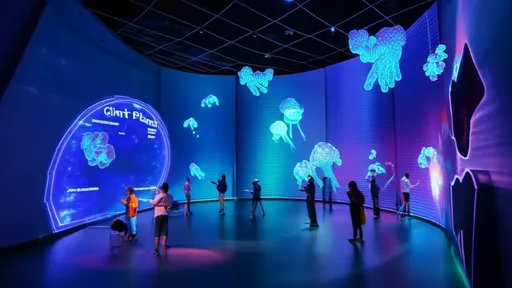
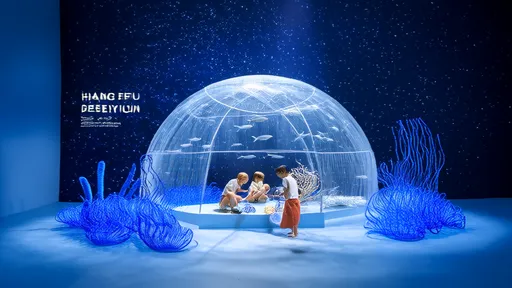
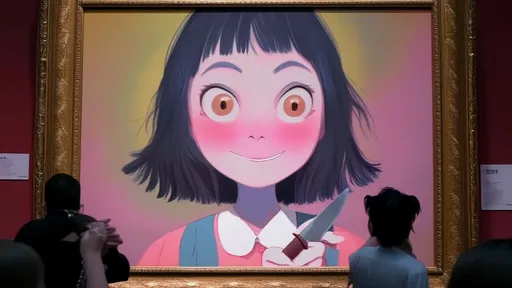
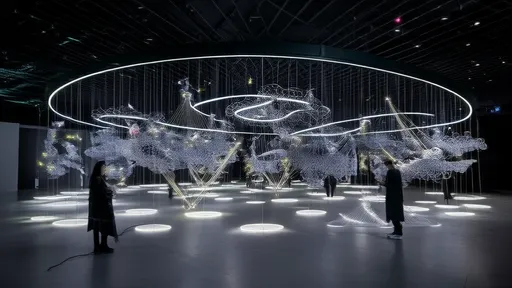
The concept of "Multi-Sensory" is the festival's guiding principle, moving decisively beyond the traditional, visually-dominated art experience. Curators and artists have collaborated to create installations and performances that deliberately engage touch, sound, smell, and even taste. Visitors are encouraged not just to see, but to listen to the subtle harmonics of a sound sculpture, to feel the texture of a mixed-media installation, to inhale the curated scents accompanying a visual piece, and to participate in interactive performances that dissolve the boundary between observer and creator. This holistic approach challenges the audience to perceive art with their entire being, fostering a deeper, more personal connection to the works on display.
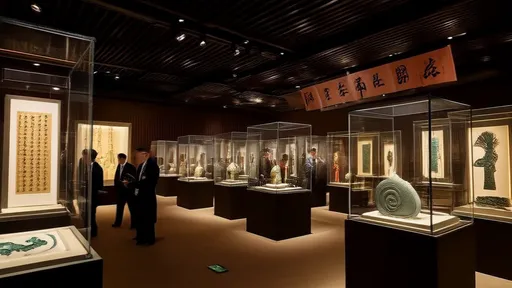
Complementing this sensory immersion is the theme of "Symbiosis," which explores the intricate and interdependent relationships between art and the city, tradition and innovation, and different cultural spheres. The festival acts as a catalyst, demonstrating how contemporary art can symbiotically coexist with and revitalize urban spaces. The repurposed Bauhaus-style factory buildings of 798 provide a perfect historical backdrop for cutting-edge art, creating a dialogue between industrial heritage and futuristic imagination. This symbiosis extends to the programming itself, where digital art installations converse with traditional Chinese craftsmanship, and international artists collaborate with local talents, fostering a global cultural ecosystem within Beijing's borders.
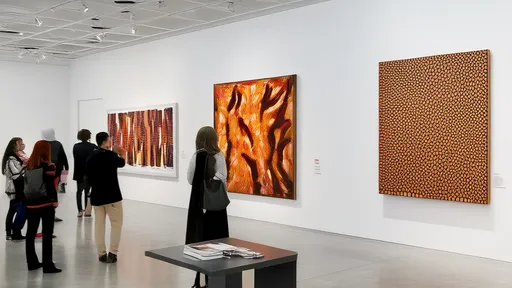
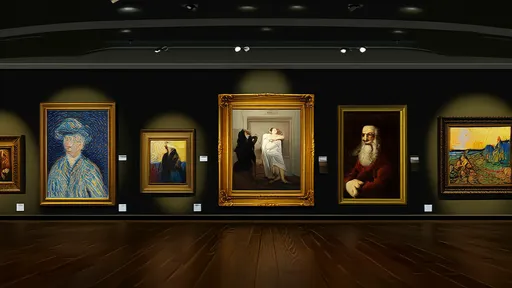
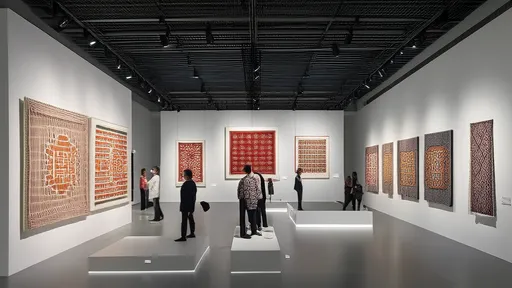
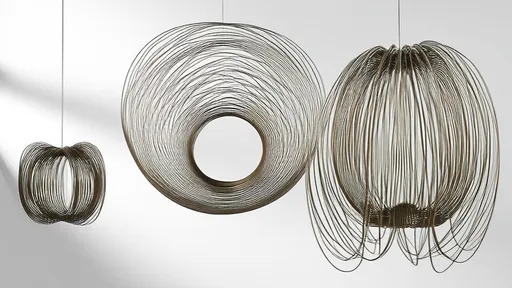
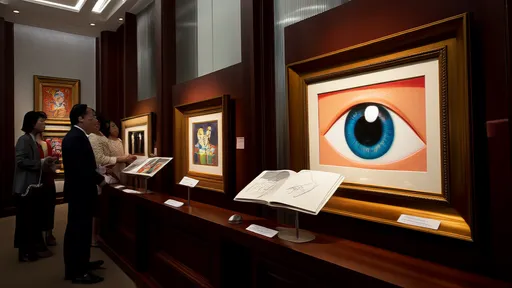
The ambitious scale of over a hundred events is what truly sets this festival apart, ensuring a constant pulse of activity throughout its duration. The program is a rich tapestry that includes major international art exhibitions featuring renowned artists from across the globe, site-specific installations that respond directly to the unique architecture of 798, and a dynamic lineup of performing arts. Theaters within the zone host avant-garde plays, experimental dance troupes, and multimedia performances that push the boundaries of their respective forms. Meanwhile, design forums bring together leading architects, designers, and thinkers to debate the future of urban living and creative industries.
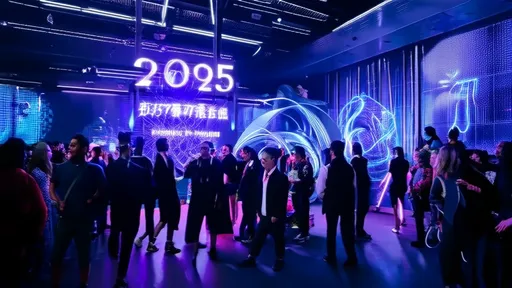
Beyond the established venues, the festival spills out into the open spaces, alleyways, and even the rooftops of 798, truly activating every conceivable corner. Pop-up concerts, impromptu poetry readings, and guerrilla art projects create an atmosphere of delightful unpredictability. This strategy effectively turns the entire district into a stage, encouraging exploration and chance encounters. It is a deliberate move to democratize art, making it accessible not just to dedicated art aficionados but to every casual visitor who happens to wander through, thereby injecting cultural vitality directly into the daily life of the city.
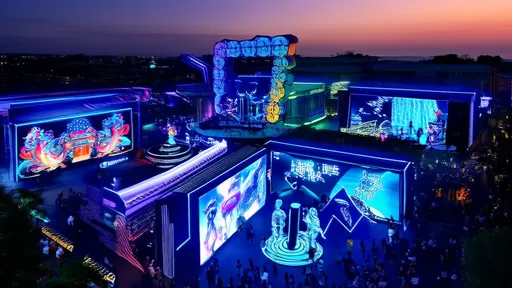
A significant focus of the festival is on technological integration and its symbiotic relationship with artistic expression. Several pavilions are dedicated to new media art, showcasing works that utilize virtual reality (VR), augmented reality (AR), and artificial intelligence (AI). These pieces are not just technological demonstrations; they are profound commentaries on our digitally-mediated existence. Visitors can don VR headsets to step inside a painter's canvas or use their smartphones to interact with AR sculptures that overlay the physical world. This seamless blend of code and creativity points towards a future where technology and art are inextricably linked partners.
The festival also serves as a crucial platform for cross-cultural dialogue. By inviting a significant number of international artists and curators, it positions Beijing as a major node in the global art network. The resulting exchanges are not one-sided imports of Western ideas but genuine conversations. European video artists find inspiration in classical Chinese landscape paintings, while Chinese sculptors incorporate themes that resonate with global audiences. This cultural symbiosis enriches the local art scene while simultaneously projecting a nuanced and sophisticated image of Chinese contemporary art onto the world stage.
Furthermore, the event has a tangible socio-economic impact, creating a vibrant model for the symbiotic relationship between culture and commerce. The influx of visitors—tourists, collectors, and critics—provides a substantial boost to local businesses, from cafes and restaurants to boutique shops within 798. This economic vitality, in turn, supports the sustainability of the artistic community, proving that a thriving cultural sector can be a powerful engine for urban development. The festival demonstrates that art is not an isolated luxury but an integral part of a healthy, modern metropolis.
In essence, the Beijing 798 Art Festival's "Multi-Sensory · Symbiosis" is far more than its hundred events. It is a bold statement about the role of art in the 21st century. It argues for an immersive, inclusive, and interconnected cultural experience that engages all senses and fosters mutual growth between art, technology, people, and the city itself. As the festival continues to unfold, it leaves an indelible mark on Beijing's cultural landscape, proving that when art is allowed to permeate urban space in such a comprehensive and sensory-rich manner, it doesn't just decorate the city—it brings it to life.
By /Sep 25, 2025
By /Sep 25, 2025
By /Sep 25, 2025
By /Sep 25, 2025
By /Sep 25, 2025
By /Sep 25, 2025
By /Sep 25, 2025
By /Sep 25, 2025
By /Sep 25, 2025
By /Sep 25, 2025
By /Sep 25, 2025
By /Sep 25, 2025
By /Sep 25, 2025
By /Sep 25, 2025
By /Sep 25, 2025
By /Sep 25, 2025
By /Sep 25, 2025
By /Sep 25, 2025
By /Sep 25, 2025
By /Sep 25, 2025
