Silk Road cultures converged in a spectacular display of artistic brilliance as the Belt and Road International Calligraphy and Painting Exhibition made its grand debut at the 2025 Dunhuang Cultural Expo. Held within the shadow of the Mogao Caves, a site synonymous with centuries of cross-cultural exchange, the exhibition served as a vibrant testament to the enduring spirit of the ancient trade routes, reimagined for the contemporary era.
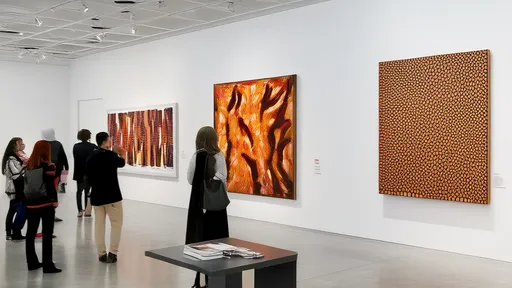
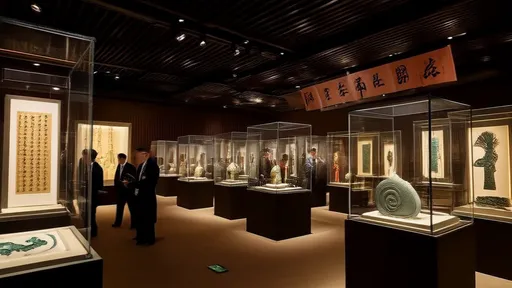
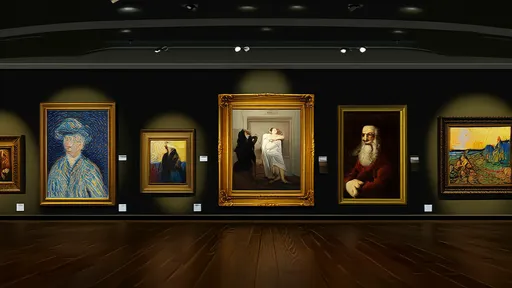
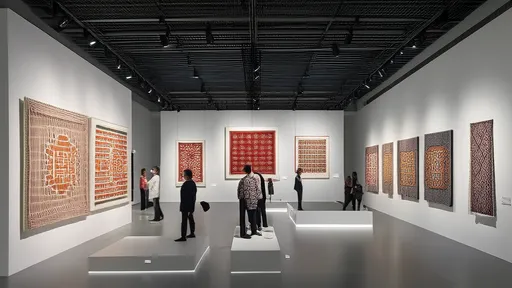
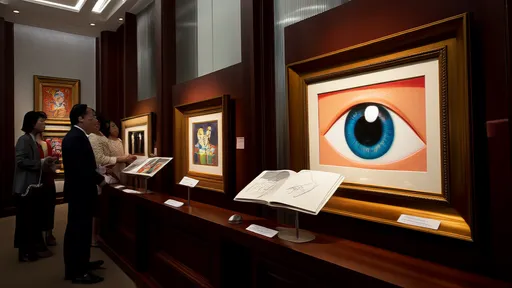
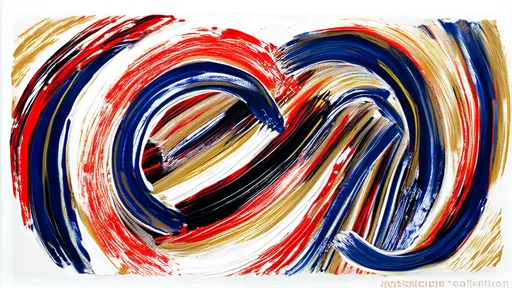
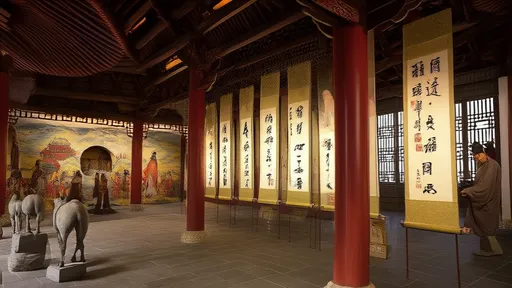
The cavernous exhibition hall, designed to echo the aesthetic of the nearby grottoes, was transformed into a modern caravan serai for art. Upon entering, visitors were immediately struck by the sheer diversity of works on display. Over three hundred pieces, meticulously selected from more than sixty countries participating in the Belt and Road Initiative, created a visual symphony that spanned continents. The air was thick with a palpable sense of history and innovation, where a classical Chinese landscape painting brushed with delicate ink might hang beside a bold, abstract composition from Eastern Europe, each piece a unique voice in a harmonious chorus.
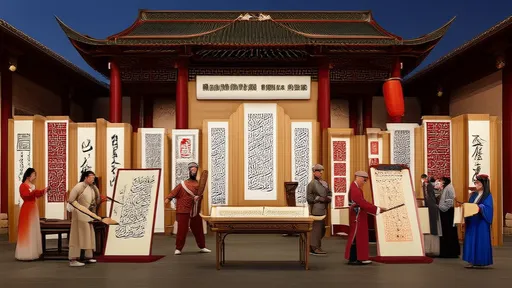
The Chinese section was a profound journey into tradition, dominated by the disciplined elegance of calligraphy and the poetic vastness of shan-shui (mountain-water) paintings. Master calligrapher Li Wei's sprawling scroll, "Echoes of the Desert Wind," was a particular highlight. The powerful, dynamic strokes of his brush seemed to capture the very essence of the Taklamakan Desert—its silence, its storms, and the ghostly whispers of past travelers. Alongside, delicate silk paintings depicted scenes from Tang Dynasty poetry, their colors soft and ethereal, offering a stark contrast to the raw power of the calligraphy.
Moving through the hall, the artistic narrative shifted dramatically. Artists from Central Asia presented a dazzling array of works rich with symbolic motifs. Intricate miniatures from Uzbekistan, reminiscent of the Timurid era, depicted courtly scenes with breathtaking detail, while vibrant textile art from Kazakhstan used bold geometric patterns and a fiery color palette that spoke of the vast steppes and nomadic heritage. These works were not merely decorative; they were storied artifacts, each pattern and hue carrying generations of cultural memory and identity.
The Middle Eastern contingent brought a different kind of energy, one of intricate geometry and spiritual depth. Persian masters showcased the hypnotic beauty of illuminated manuscripts and mesmerizing geometric patterns that explored themes of infinity and divine order. A series of contemporary paintings from Turkey skillfully wove Ottoman decorative traditions with modern sensibilities, creating a dialogue between the historic and the present that resonated deeply with viewers. The play of light on gold leaf and the precision of the patterns created a meditative atmosphere in this section of the exhibition.
Perhaps the most striking dialogues occurred where East met West along the Mediterranean and European routes. A Greek artist’s series, "Hellenic Tides on Eastern Shores," used the Aegean light to reinterpret motifs found on ancient Silk Road ceramics, creating a stunning fusion of classical Greek forms with Asian color schemes. Meanwhile, Italian artists presented works where the chiaroscuro techniques of the Renaissance were applied to subjects inspired by Marco Polo’s travels, resulting in dramatic, emotionally charged pieces that felt both familiar and entirely new. This section powerfully illustrated that cultural exchange is not a one-way street but a continuous, reciprocal flow of inspiration.
The exhibition was more than a static display; it was a living, breathing event. A dedicated pavilion featured artists-in-residence from different countries engaged in live creation. Visitors could watch a Chinese calligrapher demonstrate the "Four Treasures of the Study"—brush, ink, paper, and inkstone—alongside a European painter working with oils, or a Middle Eastern artist crafting a mosaic. These live demonstrations broke down the barriers between artist and audience, making the creative process accessible and highlighting the universal human impulse to create.
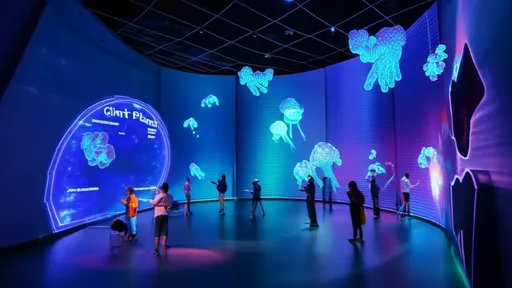
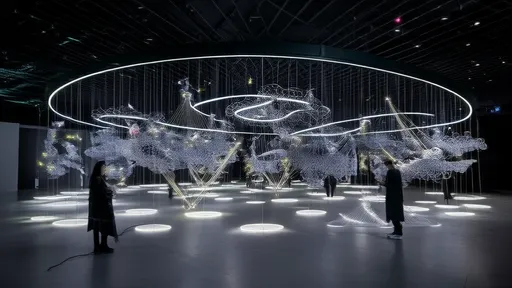
Technology played a subtle yet crucial role in enhancing the visitor experience. Augmented reality stations allowed guests to point their devices at certain paintings, unlocking layers of interpretation—an animation showing the journey of a caravan, a narration explaining a symbolic motif, or a musical piece from the painting’s region of origin. This integration of digital storytelling ensured that the exhibition was engaging for a tech-savvy generation without detracting from the physical beauty of the artworks themselves.
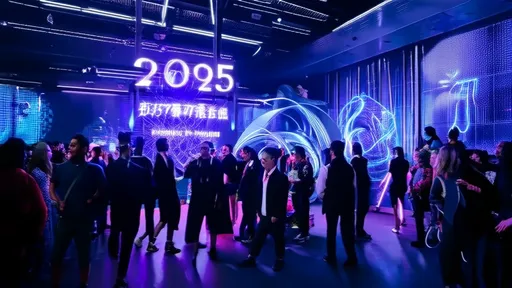
The opening ceremony was a multicultural gala, reflecting the ethos of the entire exhibition. Dignitaries and artists from across the Belt and Road nations gathered under a starlit Dunhuang sky. Speeches emphasized the role of art as a universal language that can build bridges where politics and economics sometimes face hurdles. "This exhibition is not about the past," declared one curator from Pakistan. "It is a blueprint for the future. It shows us that our differences are not divisions, but rather the very threads that, when woven together, create a stronger, more beautiful tapestry for all humanity."
As the 2025 Dunhuang Cultural Expo draws to a close, the legacy of the Belt and Road International Calligraphy and Painting Exhibition is secure. It has successfully demonstrated that the Silk Road, far from being a relic of history, is a living, evolving network of human connection. By providing a platform for such a diverse and high-quality collection of artistic expressions, the exhibition has reaffirmed Dunhuang’s status as a sacred crossroads of civilization. It leaves behind a powerful message: in a world often fractured by conflict, art remains one of our most potent tools for fostering mutual understanding, respect, and a shared vision for a connected world.
By /Sep 25, 2025
By /Sep 25, 2025
By /Sep 25, 2025
By /Sep 25, 2025
By /Sep 25, 2025
By /Sep 25, 2025
By /Sep 25, 2025
By /Sep 25, 2025
By /Sep 25, 2025
By /Sep 25, 2025
By /Sep 25, 2025
By /Sep 25, 2025
By /Sep 25, 2025
By /Sep 25, 2025
By /Sep 25, 2025
By /Sep 25, 2025
By /Sep 25, 2025
By /Sep 25, 2025
By /Sep 25, 2025
By /Sep 25, 2025
