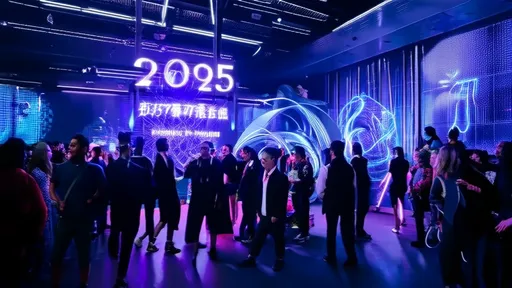
The crisp autumn air of Beijing will soon carry a new wave of artistic innovation as the 2025 Beijing 798 Art Festival prepares to launch on September 28th. Under the compelling theme "Multi-Sensory · Symbiosis", this year's edition promises to be a landmark event, transforming the iconic industrial-chic landscape of the 798 Art District into a sprawling canvas for a groundbreaking fusion of art and technology. For several weeks, the district will pulsate as a dynamic laboratory where sensory boundaries are dissolved, and new forms of creative coexistence are explored.
The choice of theme is a deliberate and profound statement on the current trajectory of contemporary art. "Multi-Sensory" pushes beyond the traditional dominance of the visual, inviting audiences to engage with artworks through sound, touch, scent, and even taste. It is an acknowledgment that human experience is not monolithic but a rich tapestry woven from simultaneous perceptual inputs. This approach challenges the passive viewership often associated with gallery visits, demanding instead an active, embodied participation. The second part of the theme, "Symbiosis", delves even deeper, proposing a harmonious and mutually beneficial relationship not only between different artistic disciplines but, more critically, between human creativity and technological advancement. It suggests a future where algorithms, data, and digital interfaces are not mere tools but collaborative partners in the artistic process, creating a new ecosystem of expression.
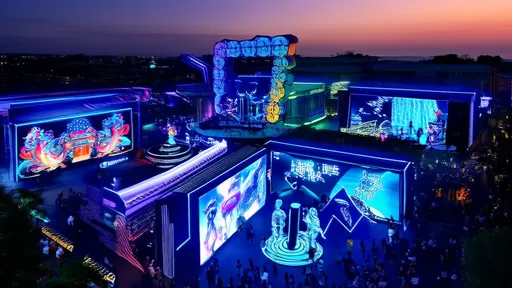
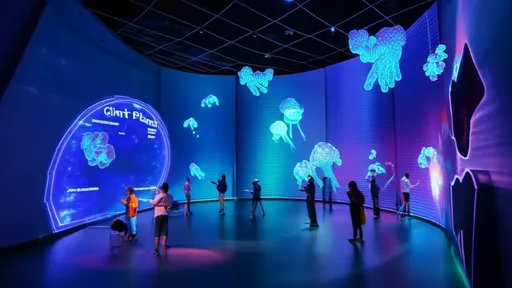
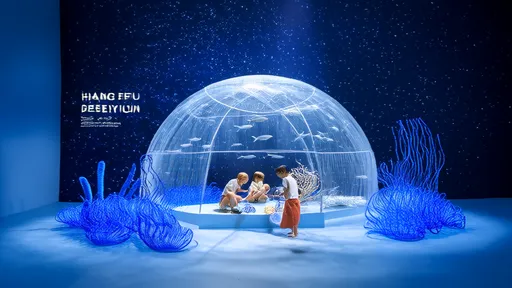
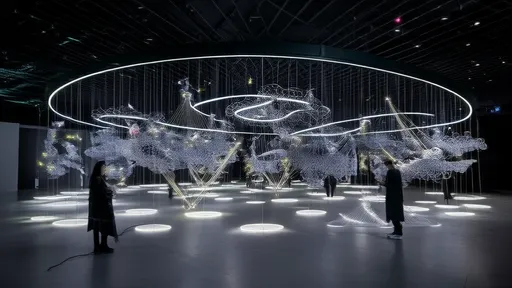
At the heart of the festival will be a series of large-scale, immersive installations that serve as the physical manifestations of the theme. Visitors can expect to wander through environments where generative visuals respond to the collective heartbeat of the crowd, measured by discreet sensors. They might find themselves in rooms where sculptural forms emit tailored sonic landscapes that change as one moves closer, creating a unique auditory sculpture. One of the most anticipated pieces, rumored to be titled "Echoes of a Datafied Forest," will use real-time environmental data from Beijing's parks to control an array of kinetic sculptures and ambient sounds within a vast warehouse space, effectively bringing the breath of the city's natural spaces into the industrial heart of 798. These are not artworks to be simply seen; they are ecosystems to be felt and experienced.
The festival's program extends far beyond static installations. A robust schedule of live performances will blur the lines between dance, theatre, and digital art. Choreographers are collaborating with motion-capture specialists and AI programmers to create performances where dancers' movements generate and manipulate visual projections in real-time, making the stage a living, responsive entity. In these performances, the human body becomes both the instrument and the conductor of a digital orchestra. Furthermore, interactive workshops led by artists and technologists will offer the public a chance to peek behind the curtain. Participants might learn the basics of creative coding, explore the potential of virtual reality as a narrative medium, or even collaborate on building a simple interactive sound installation. This demystification of technology is a key aspect of the festival's mission to foster a truly symbiotic relationship between the public and the new tools of artistry.
Critical discourse will also form a vital pillar of the event. An international symposium gathering leading artists, curators, AI ethicists, and philosophers will tackle the complex questions raised by this artistic convergence. Panels will debate topics such as the nature of authorship when an AI is a co-creator, the ownership of art generated by algorithms, and the ethical implications of using biometric data as artistic material. These conversations are essential for navigating the uncharted territory that the festival explores, ensuring that the rush towards technological integration is accompanied by thoughtful reflection on its consequences. It is here that the theoretical underpinnings of "Symbiosis" will be rigorously examined and defined.
The 798 Art District itself, with its unique heritage of repurposed Bauhaus-style factory buildings, provides the perfect architectural metaphor for the festival's theme. The district is a testament to symbiosis in its own right—a place where the industrial past coexists with the cutting-edge present. The rough, textured brick walls and soaring ceilings of these former electronic component factories offer a stark, poignant contrast to the sleek, ephemeral nature of digital art, creating a dialogue between the tangible and the virtual, the analog and the digital. This environment heightens the sensory experience, reminding visitors that every technological leap forward is built upon a physical history.
Ultimately, the "Multi-Sensory · Symbiosis" 2025 Beijing 798 Art Festival is more than an exhibition; it is a provocation and a prophecy. It asks us to reconsider what art can be in the 21st century and how we, as sensory beings, relate to an increasingly technologically mediated world. By creating a space where visitors don't just look but listen, feel, and interact, the festival aims to cultivate a deeper, more holistic form of engagement. It champions a future where technology enhances rather than replaces human sensation, and where art becomes a collaborative, living process between the artist, the machine, and the audience. When the gates open on September 28th, Beijing will not just be hosting an art festival; it will be inaugurating a vibrant, temporary microcosm of a possible creative future, inviting the world to step inside and feel what that future might be like.
By /Sep 25, 2025
By /Sep 25, 2025
By /Sep 25, 2025
By /Sep 25, 2025
By /Sep 25, 2025
By /Sep 25, 2025
By /Sep 25, 2025
By /Sep 25, 2025
By /Sep 25, 2025
By /Sep 25, 2025
By /Sep 25, 2025
By /Sep 25, 2025
By /Sep 25, 2025
By /Sep 25, 2025
By /Sep 25, 2025
By /Sep 25, 2025
By /Sep 25, 2025
By /Sep 25, 2025
By /Sep 25, 2025
By /Sep 25, 2025
