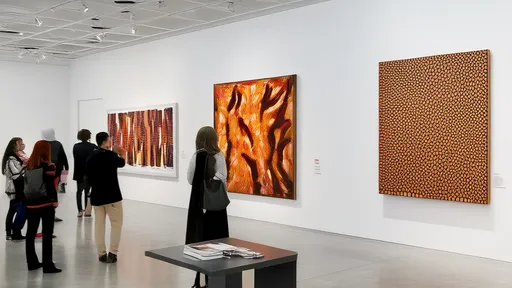
The art market is witnessing a seismic shift as works by female artists command unprecedented attention and valuation at major auctions and galleries worldwide. Long overshadowed by their male counterparts, artists like Loie Hollowell and Yayoi Kusama are not merely entering the mainstream; they are redefining its very center. Their distinctive visual languages, deeply rooted in explorations of the body, nature, and infinity, are resonating with a new generation of collectors and institutions eager to correct historical imbalances and invest in narratives that have been marginalized for centuries.
The trajectory of Loie Hollowell is particularly emblematic of this transformation. Her vibrant, topographical paintings, which abstractly reference the female form, landscapes, and states of spiritual transcendence, have become some of the most sought-after contemporary works. Hollowell’s art, with its pulsating colors and sculptural use of medium, creates a visceral experience that bridges the conceptual with the profoundly physical. Major sales at houses like Sotheby’s and Christie’s have seen her pieces fetch multiples of their high estimates, signaling a robust and growing demand. This fervor is not a fleeting trend but a recognition of her unique contribution to the lineage of abstraction, one that speaks with a distinctly feminine and corporeal voice.
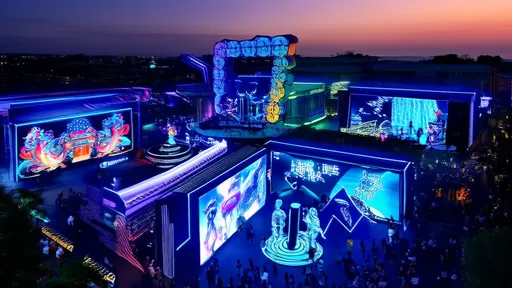
Simultaneously, the phenomenon of Yayoi Kusama continues to reach new zeniths. Now in her tenth decade, Kusama has achieved a level of global superstardom that few artists, regardless of gender, ever experience. Her Infinity Mirror Rooms draw hours-long queues at museums across the globe, becoming cultural events in themselves. At auction, her iconic pumpkins and psychedelic canvases set remarkable records, cementing her status not just as an art market darling but as a pop culture icon. Her lifelong obsession with repetition, pattern, and the obliteration of the self connects with a universal yearning for infinity and belonging, proving the timeless and borderless appeal of her vision.
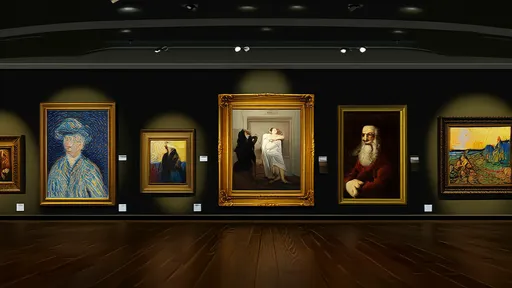
This surge in market heat for female artists is underpinned by a broader, and long-overdue, institutional recalibration. Museums are actively rehanging their permanent collections to better represent women and artists of color, while blockbuster solo exhibitions dedicated to figures like Hilma af Klint, Jenny Holzer, and Faith Ringgold draw massive crowds. Academia and critical scholarship are also playing a crucial role, producing rigorous research that recontextualizes art history and elevates the stature of women who were previously footnotes. This institutional validation creates a powerful feedback loop, bolstering market confidence and encouraging collectors to view works by women not as alternative investments but as essential pillars of a well-rounded collection.
The demographic of collectors itself is evolving, bringing new perspectives and priorities to the fore. A growing cohort of younger, often female, collectors is entering the market, seeking art that reflects their own experiences and values. There is a heightened interest in storytelling, identity politics, and the body as a site of political and personal exploration—themes that are central to the work of many contemporary female artists. This shift in collector psychology is fundamental; it is a move away from a market driven solely by prestige and name recognition toward one that values narrative depth, conceptual rigor, and cultural relevance.
While the progress is undeniable, the market's embrace of female artists is not yet fully equitable. The spotlight often shines brightest on a select few established names, and the auction records, while impressive, still generally lag behind those for top-tier male artists. The challenge now is to ensure that this momentum is not a bubble but a permanent restructuring. This requires sustained effort from galleries to build the careers of emerging and mid-career women, from critics to continue their rigorous engagement, and from collectors to deepen their commitment beyond the most headline-grabbing names. The goal is a market where gender is no longer a notable variable in an artist's career trajectory or the valuation of their work.
In conclusion, the soaring prominence of artists like Loie Hollowell and Yayoi Kusama marks a pivotal chapter in art history. It is a correction, a celebration, and a commercial awakening all at once. Their success, built on formidable talent and unique vision, is catalyzing a much larger conversation about value, representation, and whose stories are deemed worthy of preservation. As their artworks continue to captivate audiences and break records, they are not just climbing the market ladder; they are actively dismantling its old structure and building a more inclusive and vibrant landscape in its place. The message is clear: the future of art is irrevocably female.

By /Sep 25, 2025

By /Sep 25, 2025
By /Sep 25, 2025
By /Sep 25, 2025

By /Sep 25, 2025
By /Sep 25, 2025

By /Sep 25, 2025
By /Sep 25, 2025

By /Sep 25, 2025

By /Sep 25, 2025
By /Sep 25, 2025
By /Sep 25, 2025
By /Sep 25, 2025
By /Sep 25, 2025
By /Sep 25, 2025
By /Sep 25, 2025
By /Sep 25, 2025

By /Sep 25, 2025
By /Sep 25, 2025

By /Sep 25, 2025
