Hong Kong’s art scene is set for a landmark moment this season as Sotheby’s prepares to unveil a remarkable assembly of works by Western masters, with the iconic Francis Bacon leading the charge. The upcoming auction represents more than a simple sale; it is a profound cultural event, signalling a significant shift in the gravitational centre of the global art market. For collectors and connoisseurs across Asia, this is an unprecedented opportunity to engage directly with pinnacles of Western art history without the need to travel to London or New York.
The star of the show is undoubtedly Francis Bacon, whose raw, visceral portraits have long commanded astronomical prices and critical acclaim. The painting on offer, a powerful triptych from his later period, is a masterpiece of psychological intensity. Characterised by his signature distorted figures set against stark, ambiguous backgrounds, the work encapsulates Bacon’s lifelong obsession with the human condition—mortality, violence, and the fragility of existence. Its presence in Hong Kong is a testament to the deepening sophistication of Asian collectors, who are increasingly drawn to art with profound emotional and philosophical weight, moving beyond mere investment to a deeper, more personal engagement with the works.
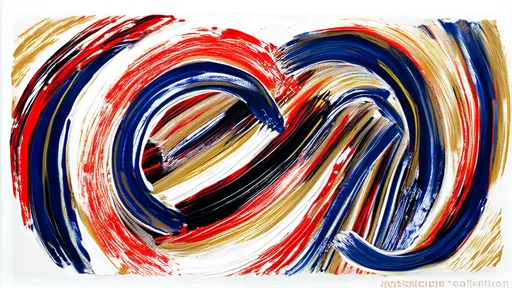
But the narrative extends far beyond a single masterpiece. Bacon’s triptych is thoughtfully contextualised within a curated selection of works by his contemporaries and artistic forebears. This includes a sublime, meditative Mark Rothko colour-field painting, where vast, hazy blocks of colour seem to pulsate with an inner light, offering a stark yet complementary contrast to Bacon’s figurative anguish. Alongside it, a dynamic, graffiti-inspired canvas by Jean-Michel Basquiat speaks to a different kind of raw energy, bridging the gap between the post-war masters and the postmodern era. This curatorial approach transforms the auction into a miniature art historical survey, allowing viewers to trace dialogues and tensions across decades of artistic innovation.
The decision to stage such a significant offering in Hong Kong is a strategic masterstroke by Sotheby’s, reflecting years of careful market cultivation. Over the past decade, Asian buyers have evolved from emerging players to dominant forces, demonstrating a particular appetite for blue-chip Western art with impeccable provenance. Hong Kong, with its unique position as a bridge between East and West, its favourable tax laws, and its world-class infrastructure, has naturally emerged as the premier hub for these transactions. This auction solidifies that status, proving that the city is not just a regional centre but a true global equal to New York and London.
What makes this event particularly compelling is the specific timing and the quality of the works on view. In an market often driven by trends, the unwavering power of these established masters provides a sense of stability and enduring value. The Bacon triptych, for instance, hails from an important European private collection and has been unseen in public for over two decades. Its rarity and exceptional condition are key drivers of its estimated value, which is expected to soar well into the tens of millions of dollars. Similarly, the Rothko and Basquiat pieces boast equally impressive exhibition histories, making this a sale of museum-quality works destined for the world’s most discerning private collections.
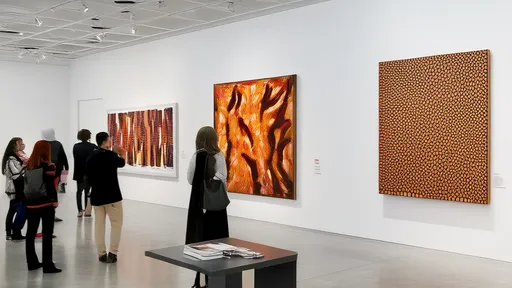
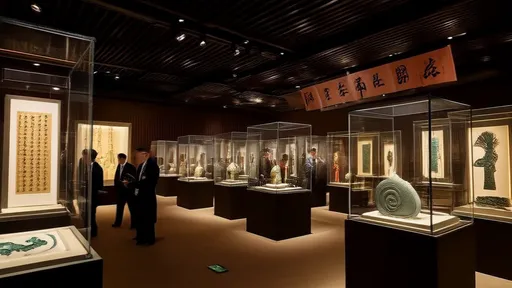
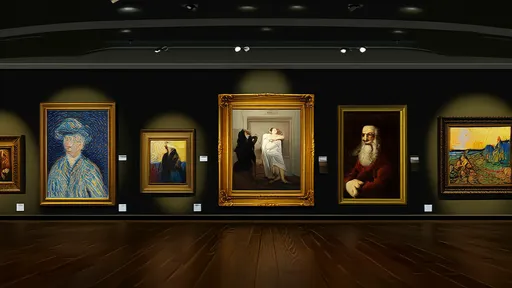
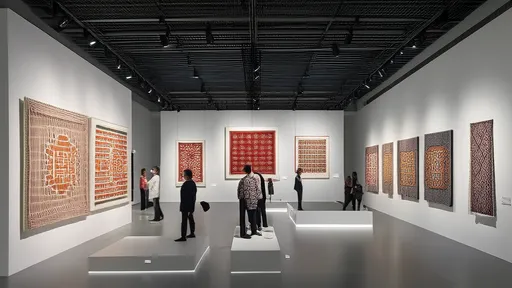
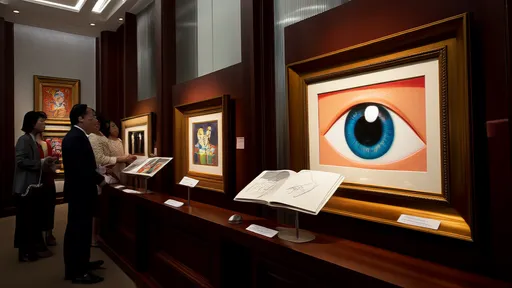
The preview exhibitions prior to the auction are anticipated to be major cultural attractions in their own right. For many art lovers in the region, this will be a rare chance to stand in front of these canonical works, to experience their scale and emotional impact firsthand. Sotheby’s has invested heavily in creating an immersive viewing environment, with specialised lighting and spacious galleries designed to facilitate contemplation. This focus on the experiential aspect underscores a broader trend in the art market: the understanding that fostering deep appreciation is just as important as facilitating high-stakes sales.
Beyond the headline lots, the auction includes a carefully selected group of works by other 20th-century luminaries. A serene, sculptural bronze by Alberto Giacometti, with its elongated, walking figure, explores themes of existential isolation that resonate strongly with Bacon’s oeuvre. A vibrant, geometric composition by Piet Mondrian offers a glimpse into the utopian ideals of modernism. Each piece adds a new layer to the conversation, creating a rich tapestry that showcases the diverse trajectories of Western art in the last century. This diversity is a clear indication of the broad and nuanced tastes of the target audience in Asia.
Critics and market analysts are watching this event closely, as its results will be a crucial barometer for the high-end art market's health and direction in the post-pandemic era. Strong results will likely encourage other auction houses and galleries to bring even more significant Western works to Asia, further accelerating the region's influence. Conversely, it will also test the depth of demand for such top-tier material outside its traditional Western bases. The consensus, however, is one of optimistic anticipation, given the robust performance of similar works in recent years.
In conclusion, the arrival of Francis Bacon and his fellow masters at Sotheby’s Hong Kong is a defining moment. It is a powerful symbol of a globalised art world where geographical boundaries are increasingly irrelevant. For collectors, it is an unparalleled opportunity to acquire works of immense historical importance. For the public, it is a chance to witness art history unfold in their own backyard. This event is not merely an auction; it is a celebration of artistic genius and a bold statement about the future of cultural exchange, firmly placing Hong Kong at the epicentre of the international art landscape for years to come.
By /Sep 25, 2025
By /Sep 25, 2025
By /Sep 25, 2025
By /Sep 25, 2025
By /Sep 25, 2025
By /Sep 25, 2025

By /Sep 25, 2025
By /Sep 25, 2025
By /Sep 25, 2025
By /Sep 25, 2025
By /Sep 25, 2025
By /Sep 25, 2025

By /Sep 25, 2025
By /Sep 25, 2025

By /Sep 25, 2025
By /Sep 25, 2025
By /Sep 25, 2025
By /Sep 25, 2025
By /Sep 25, 2025
By /Sep 25, 2025